
“Ajay is super doctor and his nature is to to much down too earth and always helping patient.”
Bittu Patel


Back to articles
Eye Care Journal
What to Expect Before, During, and After Cataract Surgery
A step-by-step look at the cataract surgery journey, from your first consultation and pre-op tests through the day of surgery and the follow-up visits that help your eyes heal well.
A cataract is a clouding of the eye's natural lens that develops gradually, often over several years. It can make vision look blurry or hazy, cause colours to appear faded, and make bright lights or oncoming headlights seem to glare or scatter more than they used to. Many people first notice they are struggling to read in dim light or need frequent changes to their glasses prescription.
Before surgery, we carry out a full eye evaluation to measure your prescription, check the health of your retina, and take precise measurements of your eye. These measurements help us select the right replacement lens for you. This is also the time to discuss any other health conditions or medications, since they can affect how surgery is planned.
Cataract surgery is one of the most predictable procedures in eye care today, and most patients notice clearer vision within days and can get rid off glasses post cataract surgery even for near, even patient have used for whole life before that .
Dr. Ajay Panchal
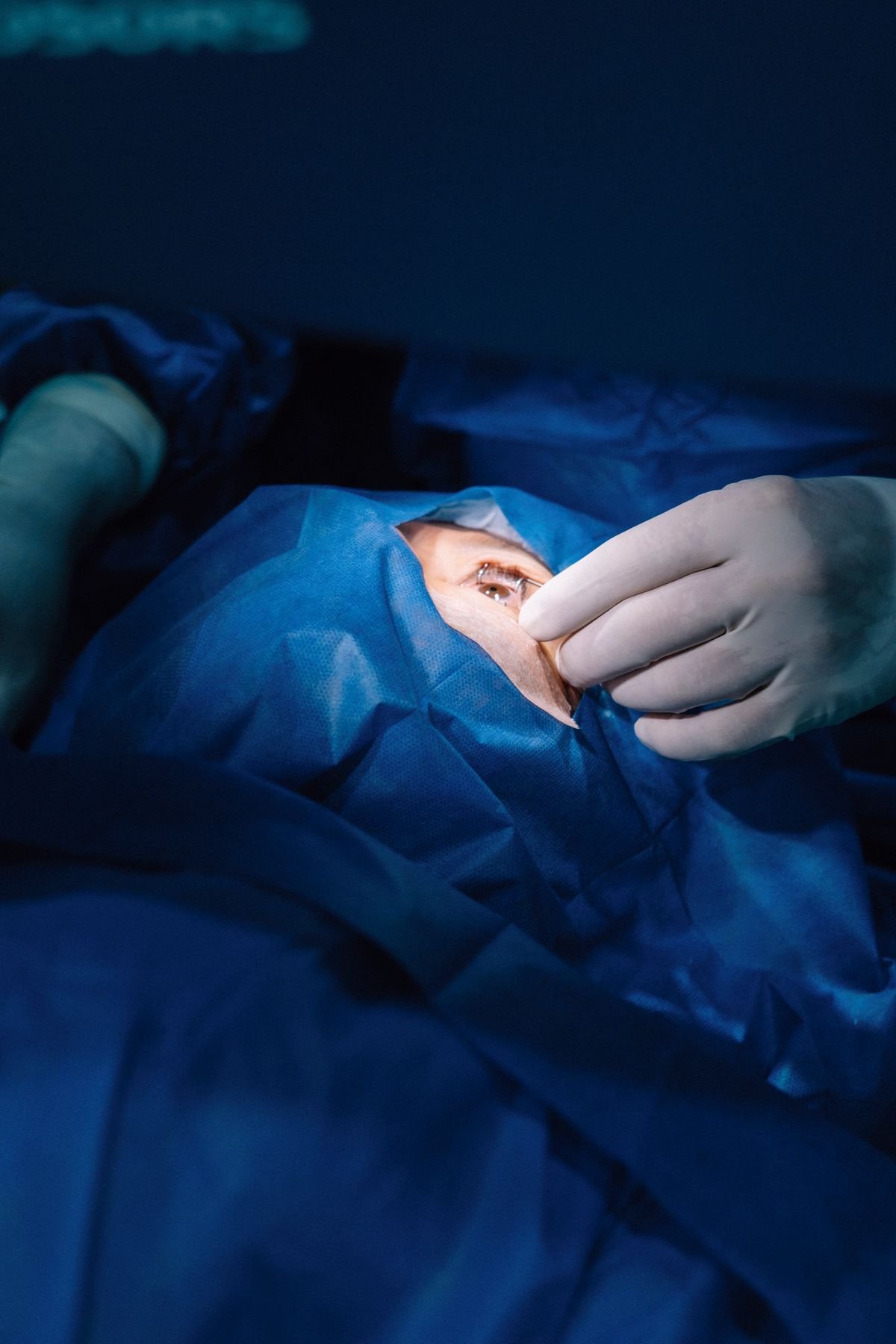
The surgery itself is a short outpatient procedure performed under topical anaesthesia, so you are awake but the eye is numbed and typically painless. Using a technique called phacoemulsification, the clouded natural lens is gently broken up and removed through a very small incision, and a clear artificial lens is placed in its position. The procedure itself commonly takes about 15 minutes, and you go home the same day.
Recovery is generally quick and comfortable. You'll be given eye drops to prevent infection and reduce inflammation, along with simple instructions such as avoiding rubbing the eye and wearing a protective shield while sleeping for the first few nights. Vision may improve by the same or next day, though it can take a few weeks to fully stabilise, which is why we schedule follow-up visits to check your healing and update your glasses prescription if needed.
If cloudy or glare-sensitive vision is starting to affect your daily life, a cataract evaluation can help you understand your options. Book a consultation to find out whether it's the right time for you.